Finding affordable auto insurance starts with comparing multiple quotes online. With dozens of providers in the USA, prices for the same coverage can vary significantly. Comparing auto insurance quotes helps you understand the cost, coverage options, and discounts available, allowing you to select the best policy for your needs and budget.
This guide provides a step-by-step process to compare auto insurance quotes online, what information to gather, and how to save money.
Table of Contents
Why You Should Compare Auto Insurance Quotes
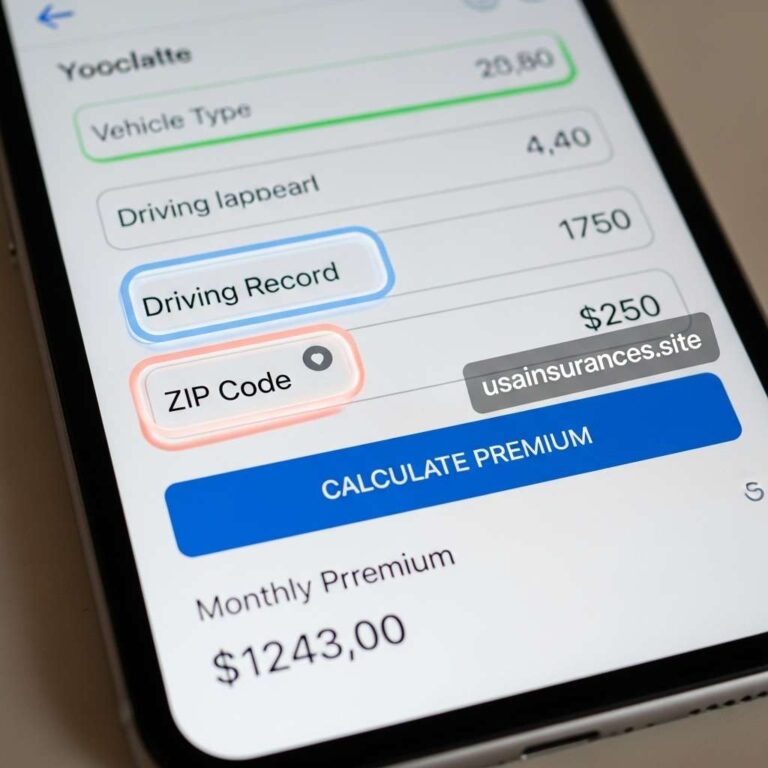
Insurance rates differ based on multiple factors, including:
- Your driving record
- Vehicle type and year
- Location (ZIP code)
- Coverage level
- Credit score in some states
By comparing quotes, you can save hundreds of dollars per year and ensure you get the coverage you actually need.
Step 1: Gather Your Information
Before requesting quotes, collect the following:
Personal Details
- Full name and date of birth
- Address and ZIP code
- Driver’s license number
- Marital status
- Age
Vehicle Information
- Year, make, and model
- Vehicle Identification Number (VIN)
- Safety features
- Annual mileage
- Financed or leased vehicle
Driving History
- Accidents or claims in the past 3–5 years
- Traffic violations
- Years of driving experience
Coverage Needs
- Liability vs. full coverage
- Deductible preferences
- Optional add-ons like roadside assistance or rental coverage
Having this information ready makes online comparison faster and more accurate.
Step 2: Choose Reliable Websites or Insurance Companies
To compare quotes efficiently, use trusted sources:
- Direct insurance company websites:
GEICO, State Farm, Progressive, Allstate, Nationwide - Comparison platforms:
The Zebra, NerdWallet, Compare.com, Insurify
These tools let you view multiple quotes quickly without speaking to agents.
Step 3: Enter Your Information Accurately
Accurate information is crucial for getting realistic quotes.
Incorrect details, such as wrong mileage or VIN, can cause:
- Overestimated or underestimated premiums
- Delays when purchasing a policy
Double-check everything before submitting.
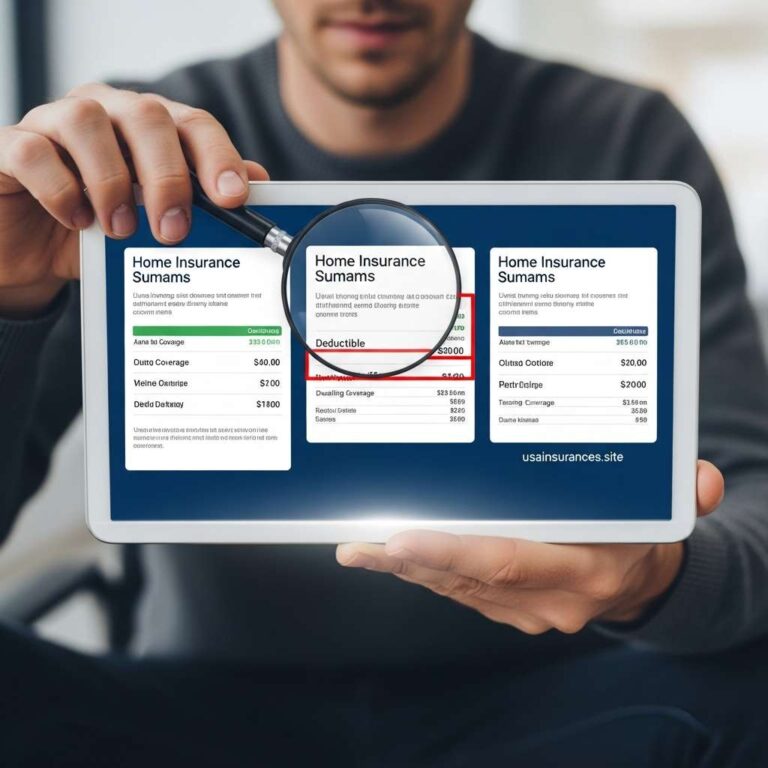
Step 4: Compare Coverage Options Side by Side
When comparing quotes, make sure you are comparing the same type of coverage:
- Liability coverage (state minimum, cheapest)
- Full coverage (liability + collision + comprehensive)
- Optional add-ons (roadside, rental reimbursement, accident forgiveness)
Also compare deductible levels, as higher deductibles lower premiums but increase out-of-pocket costs in a claim.
Step 5: Review Discounts
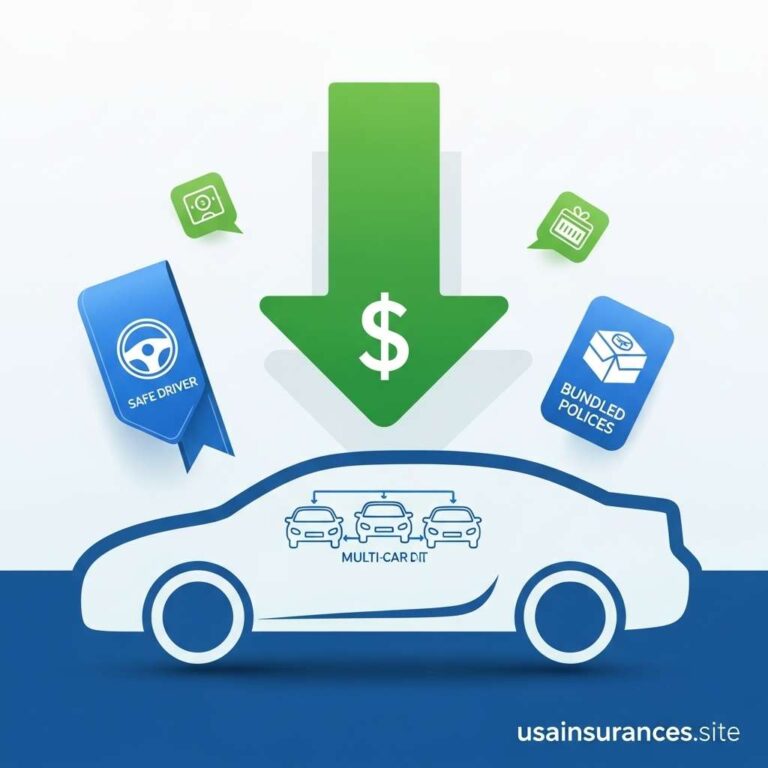
Most insurers offer discounts that reduce your premium. Common discounts include:
- Safe driver discount
- Good student discount
- Bundling home and auto insurance
- Military or federal employee discount
- Low mileage discount
- Anti-theft device discount
- Paying in full
Ask each insurer about all available discounts before purchasing.
Step 6: Compare Multiple Providers
Do not rely on a single quote. Rates vary by insurer due to their own risk algorithms.
Get at least 3–5 quotes and consider both price and customer service reputation.
Step 7: Analyze Final Rates and Coverage
Check each quote for:
- Monthly and yearly cost
- Coverage limits
- Deductibles
- Extra benefits
- Claim satisfaction and customer reviews
The cheapest quote is not always the best if it doesn’t cover your needs adequately.
Step 8: Purchase or Save Your Quote for Later
After comparing, you can either:
- Buy online instantly
- Save your quotes to review again
- Call the insurer to clarify details
Tips to Save Even More
- Maintain a clean driving record
- Improve your credit score if applicable
- Re-evaluate coverage yearly
- Consider raising deductibles on low-value vehicles
- Bundle insurance policies for additional savings
Conclusion
Comparing auto insurance quotes online is the most effective way to find affordable coverage in the USA. By preparing your information, using trusted platforms, checking discounts, and analyzing multiple quotes, you can save money while ensuring adequate protection. Make it a habit to review quotes annually to maintain the best rates.
About the Author