Tradefine , tinyfishing ,latestusanews ,finzos , United Health Care
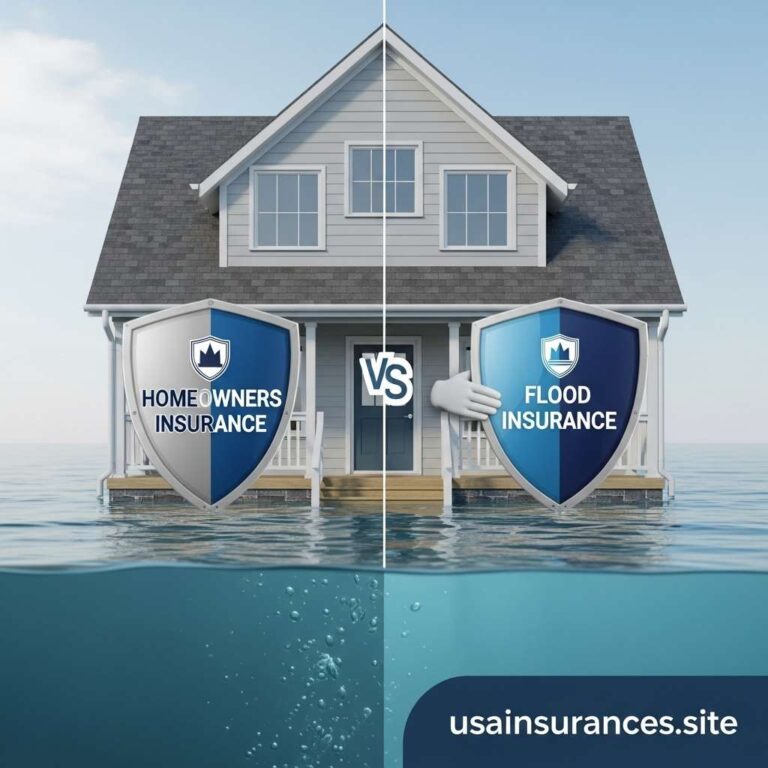
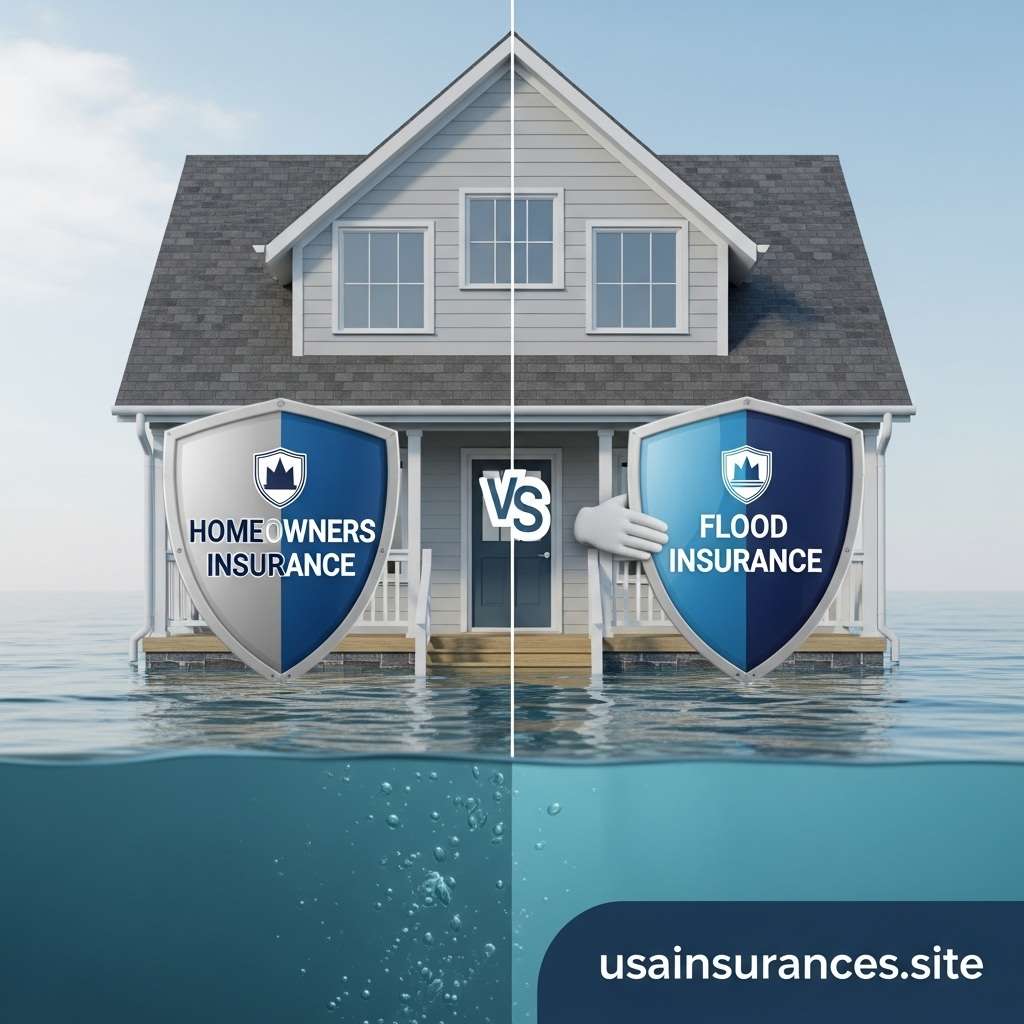
Many homeowners assume that a standard homeowners insurance policy covers all types of natural disasters, but that’s not always true. In the USA, flood damage often requires a separate flood insurance policy. Understanding the differences between these two types of coverage is essential to ensure your property and belongings are protected.
This guide explains what is typically covered under homeowners and flood insurance, what isn’t, and how to decide which policies you need.
Table of Contents
What Homeowners Insurance Covers
Homeowners insurance is designed to protect your home and personal belongings from common risks. Typical coverage includes:
- Dwelling Coverage: Repairs or rebuilding if your home is damaged by fire, lightning, windstorms, hail, or vandalism.
- Personal Property Coverage: Replacement of furniture, electronics, clothing, and other personal belongings damaged or stolen.
- Liability Coverage: Protects you if someone is injured on your property or if you accidentally cause damage to others.
- Additional Living Expenses (ALE): Covers temporary housing if your home is uninhabitable due to a covered event.
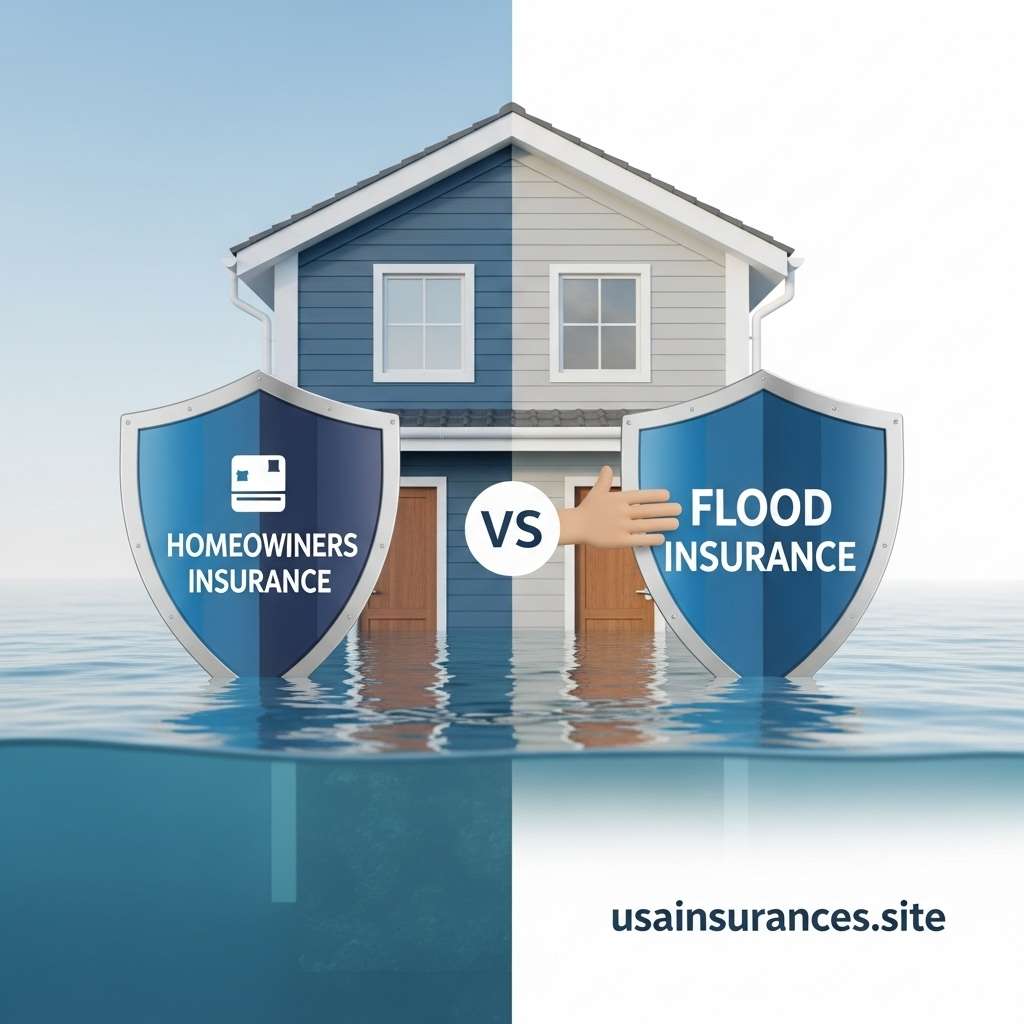
What Homeowners Insurance Usually Does NOT Cover
- Floods, surface water, or rising water from natural sources
- Earthquakes (usually requires separate earthquake insurance)
- Wear and tear, maintenance issues, or gradual damage
- Certain high-value items unless specifically scheduled
Because standard homeowners policies exclude flood damage, additional coverage is necessary in flood-prone areas.
What Flood Insurance Covers
Flood insurance is offered separately through the National Flood Insurance Program (NFIP) or private insurers. Coverage includes:
- Structural Coverage: Protects the home’s foundation, walls, floors, and electrical/plumbing systems.
- Personal Property Coverage: Covers furniture, electronics, clothing, and other possessions affected by flooding.
- Basement and Crawl Space: Some policies include protection for finished basement areas and appliances.
Flood insurance is typically required for properties in high-risk flood zones or by mortgage lenders.
What Flood Insurance Usually Does NOT Cover
- Damage from moisture, leaks, or mold not caused by a flood
- Landscaping, decks, fences, or outdoor structures
- Temporary housing expenses
- Additional living costs (some private policies may offer limited coverage)
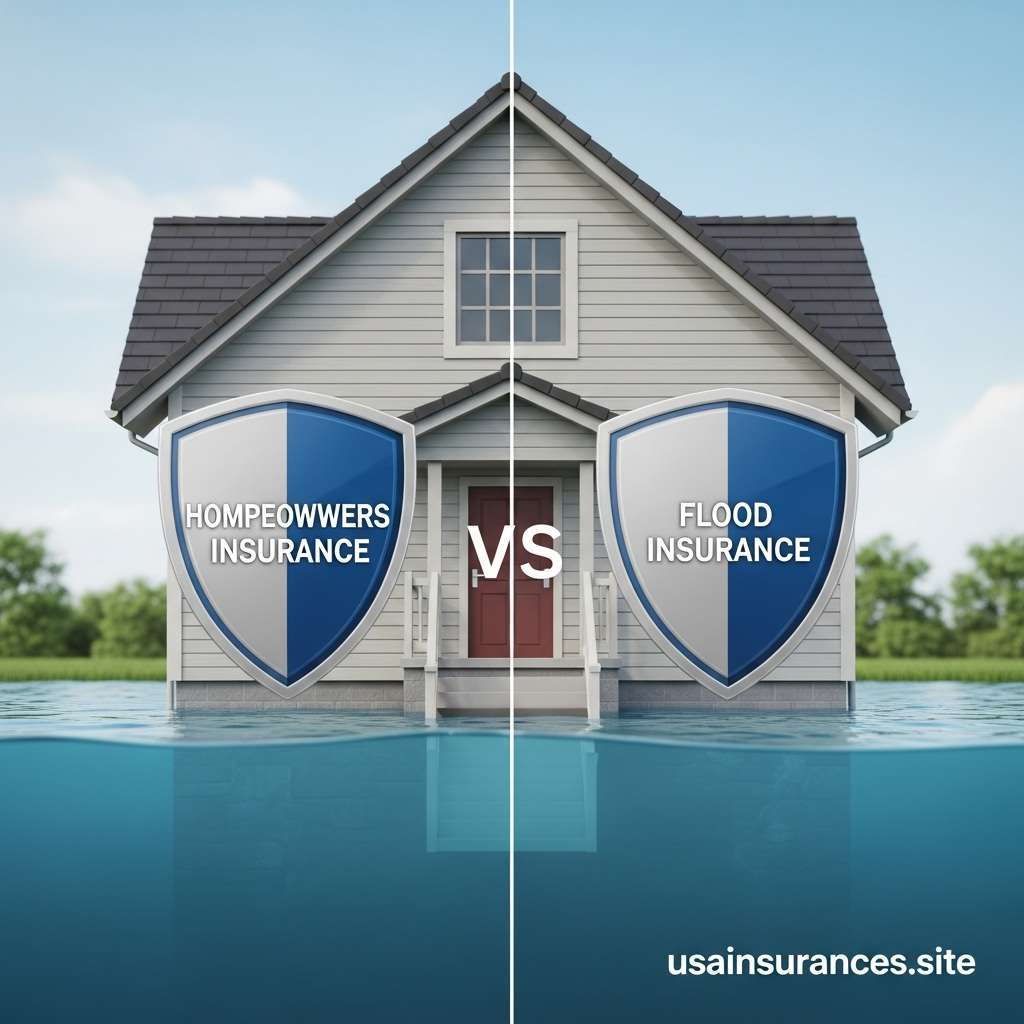
Key Differences Between Homeowners and Flood Insurance
| Feature | Homeowners Insurance | Flood Insurance |
|---|---|---|
| Coverage Type | Fire, wind, theft, liability | Flooding from rivers, rain overflow, storm surge |
| Personal Property | Yes | Yes (with limits) |
| Structural Coverage | Yes | Yes, specific to flooding |
| Exclusions | Floods, earthquakes | Fire, theft, general property damage not caused by flooding |
| Required by Lenders | Sometimes | Often in high-risk flood zones |
Who Needs Flood Insurance
- Homeowners in FEMA-designated flood zones
- Properties near rivers, lakes, or coastal areas
- Homebuyers with federally-backed mortgages in high-risk areas
Even if you are not in a high-risk zone, considering flood insurance can provide peace of mind, especially during heavy rains or hurricanes.
Tips for Choosing the Right Coverage
- Assess Your Risk: Check FEMA flood maps and local flood history.
- Combine Policies Wisely: Maintain homeowners insurance for fire, theft, and wind, and add flood insurance if necessary.
- Understand Limits and Deductibles: Both policies have coverage caps and deductibles—choose levels that suit your property’s value.
- Review Annually: Flood risk and home value change over time, so update your policies as needed.
- Consider Private Insurers: Some private flood insurers offer higher limits or more flexible coverage than the NFIP.

Conclusion
While homeowners insurance covers most common home risks, it does not protect against flood damage. A separate flood insurance policy is essential for properties at risk of flooding. Understanding the differences, coverage limits, and exclusions allows homeowners in the USA to make informed decisions and secure comprehensive protection.
About the Author